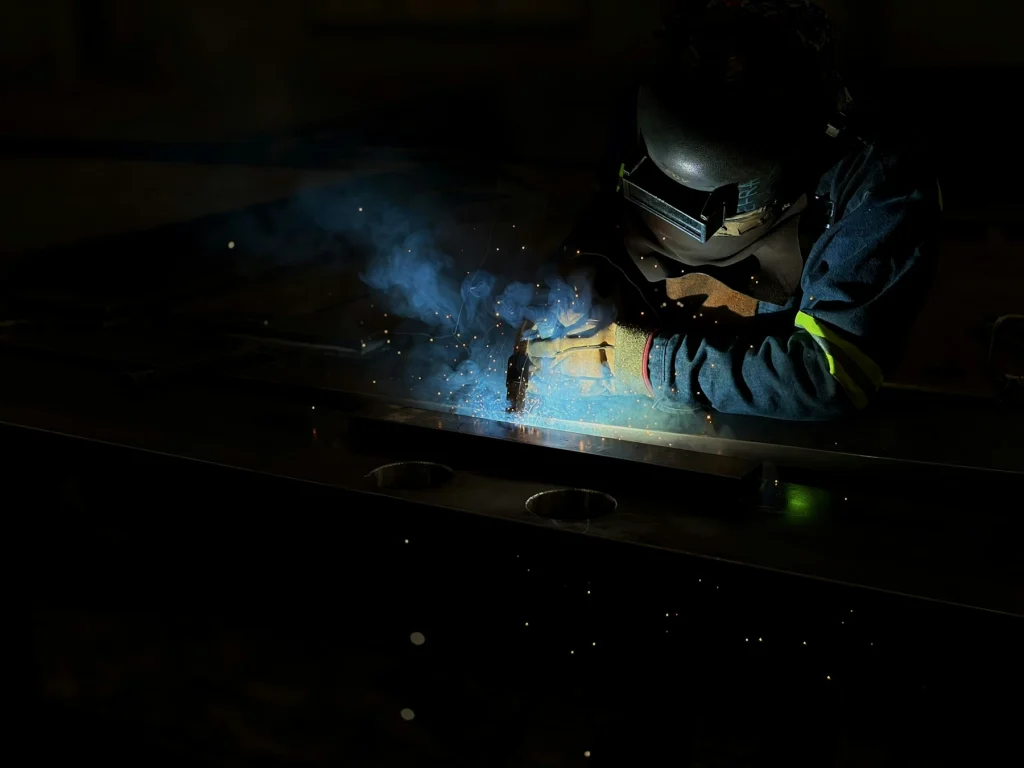
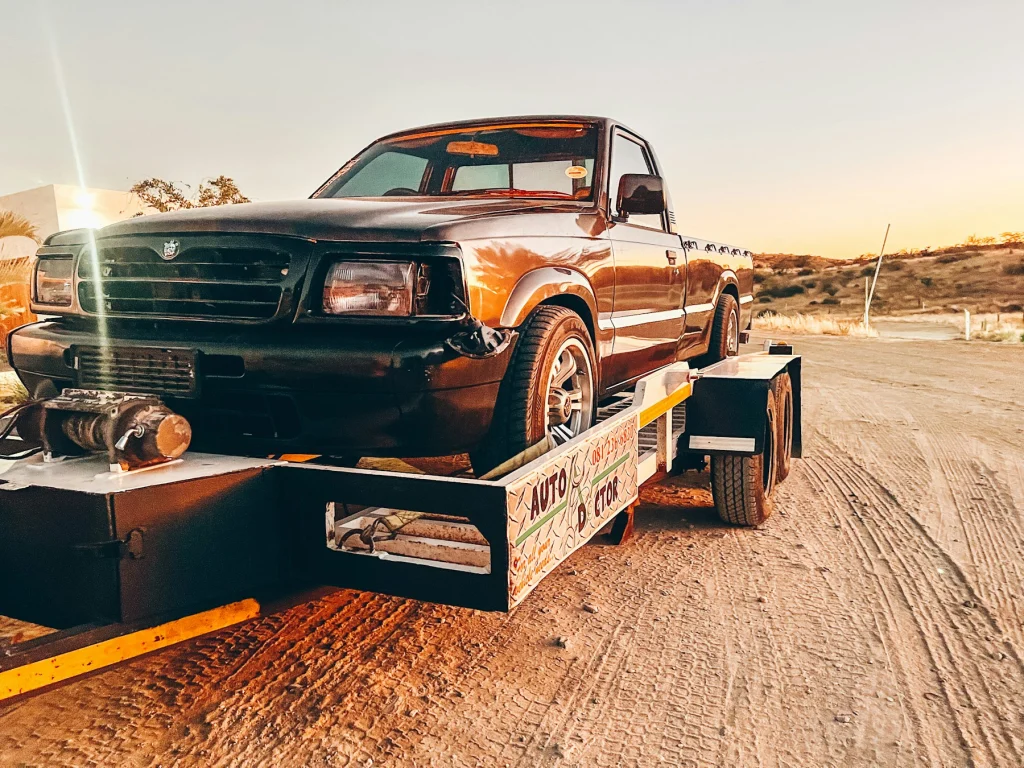
Truck bed welding is usually worth doing when the damage is local, such as a cracked crossmember, a torn stake pocket or a broken headache rack mount, and the surrounding metal is still thick and sound. Replacement makes more sense when rust has thinned large areas, the frame mounts are compromised, or repairs would cost close to a new bed.
Work trucks in the Houston area take a beating. They haul pipe to plants along the Ship Channel, carry landscaping equipment through Katy subdivisions, pull trailers to Galveston and sit in humid parking lots that keep steel damp for months. Sooner or later something cracks, bends or rusts through. This guide breaks down how to decide between welding a repair and replacing the bed, flatbed or rack, and what a good repair should include.
Key takeaways
- Localized cracks, broken welds and bent brackets on steel and aluminum beds are usually repairable on-site.
- Widespread rust, thinned crossmembers and damaged mounting points to the truck frame often push the decision toward replacement.
- Gooseneck and fifth-wheel hitch components are safety-critical and frequently fall under manufacturer requirements; damage there calls for extra caution.
- Headache racks on commercial vehicles may need to meet federal cargo securement rules, so repairs should restore full strength.
- A good repair includes cleaning to bright metal, full-penetration welds where needed, reinforcement where the original design was weak, and a proper coating afterward.
What kinds of damage can truck bed welding fix?
Most bed damage falls into a few patterns. Each has its own repair approach and its own warning signs that point toward replacement.
Cracked crossmembers and long sills
Flatbeds rest on long sills that run front to back, with crossmembers spaced along their length. Repeated heavy loads, especially point loads like a skid steer bucket or a pallet of block, crack crossmembers at the welds where they meet the sills. A cracked crossmember can usually be repaired by grinding out the crack, welding it fully and adding a gusset or fish plate to spread the load. If several crossmembers have cracked in the same spot, that tells you the bed is being loaded beyond its design, and reinforcement belongs in the plan.
Torn stake pockets and rub rails
Stake pockets and rub rails take abuse from straps, chains and binders. They tear loose at the welds or crack where the rail meets the side. These are among the simplest repairs: cut out the damaged pocket, weld in a new one and blend the rail. Because tie-down points hold cargo in place, the welds need to be complete, not cosmetic.
Broken toolbox mounts and headache rack brackets
Mounting brackets crack from vibration, especially on trucks that run rough lease roads or construction sites. A bracket that broke once will likely break again if it is welded back exactly as it was. Repairs often call for a thicker bracket, a wider base or an added gusset.
Floor damage
Steel diamond plate or smooth plate floors dent and puncture. Localized holes can be patched with a welded plate. If the floor is rusted through across a large area, replacing the deck while keeping the frame may be an option, depending on how the bed is built.
Factory pickup beds
Stamped sheet metal pickup beds are thinner than flatbeds and are designed to be replaced rather than heavily welded. Small cracks and rust holes can be repaired with patch panels, but extensive damage to a factory bed usually means a replacement bed from a salvage yard or the manufacturer, or a conversion to a flatbed. That conversion is common on Houston work trucks once the original bed has rusted out.
When should you replace instead of repair?
Welding is not always the right answer. Here are the signs that replacement is the better investment.
- Rust has thinned large areas. If you can push a screwdriver through the steel in multiple spots, or the metal flakes in layers, new welds have nothing solid to bond to.
- The mounting points to the truck frame are damaged. The brackets and bolts connecting the bed to the chassis carry every load. Severe damage there is a serious safety concern.
- The bed is twisted. A bed bent out of square from a collision or overload is difficult to straighten accurately in the field.
- Repairs would approach replacement cost. When cracks are spread across many crossmembers, sills and the deck, the labor adds up quickly.
- The bed no longer fits the job. If you need a longer deck, different side rails or an integrated toolbox, replacing may solve two problems at once.
We give honest assessments. If a bed is past the point where welding makes sense, our written quote will say so and explain why.
What about gooseneck and fifth-wheel hitches?
Gooseneck balls, fifth-wheel rails and the underbed mounting systems that support them carry very high loads, and a failure at highway speed can be catastrophic. Many of these systems are engineered by the hitch manufacturer or the truck maker and come with specific installation instructions and weight ratings.
Because of that, we treat hitch damage with extra caution. Cosmetic repairs to brackets that are not part of the load path may be fine. Cracks in the hitch mounting system itself, the underbed rails, or the frame brackets usually point toward replacing those components with manufacturer-approved parts rather than welding them. If a hitch component is damaged, follow the manufacturer’s guidance and consult a qualified hitch installer before towing. Our trailer and truck repair service can handle the surrounding bed and frame work.
Headache racks: repair, reinforce or replace?
A headache rack is the steel or aluminum frame mounted at the front of the bed, behind the cab. It protects the cab and occupants from shifting cargo, and it often doubles as a mount for lights, ladder racks and antennas.
When headache racks are more than decoration
For commercial motor vehicles, the federal cargo securement rules in 49 CFR Part 393 include provisions for front-end structures, sometimes called bulkheads or headboards, that are meant to prevent cargo from shifting forward into the cab. Requirements depend on the vehicle and what it hauls. If your truck operates commercially, a damaged headache rack is not just a cosmetic issue. Confirm what applies to your operation with your fleet safety manager or the Federal Motor Carrier Safety Administration.
Common headache rack problems
- Cracks at the base mounts, especially where the rack bolts to the bed rail.
- Bent uprights from a load that shifted forward.
- Broken mesh or expanded metal panels.
- Corrosion where aluminum racks bolt to steel beds without isolation.
Repair or replace?
Cracked mounts and broken panels can usually be repaired and reinforced. Bent uprights on a steel rack can sometimes be straightened and reinforced, though a rack that took a heavy hit may have hidden cracks at welds. Aluminum racks need TIG or spool-gun MIG welding and careful technique, since aluminum does not show heat the way steel does; our guide to aluminum welding explains why. Racks with damage across multiple uprights or mounts are often better replaced.
Steel versus aluminum flatbeds: what changes for repairs?
Steel flatbeds
Steel beds are strong, affordable and straightforward to weld. MIG welding with solid wire and shielding gas works well in a garage or calm conditions; flux-core or stick welding handles outdoor repairs in wind. The main enemy is rust, particularly where water pools at crossmembers and under deck plates. In the Houston climate, a steel bed repair is only as good as the coating that follows it, which our guide on rust protection for welded steel covers in detail.
Aluminum flatbeds
Aluminum beds are lighter, which increases payload, and they do not rust. They can still crack from fatigue and vibration, especially at mounting points and crossmember welds. Repairs require clean metal, the right filler alloy and experienced hands. Heat also reduces the strength of common aluminum alloys near the weld, so repairs often need added reinforcement. Our stainless and aluminum welding crew brings TIG and spool-gun equipment to the truck.
What does a good truck bed repair include?
A lasting repair is more than running a bead over a crack. Here is what we look for and what you should expect from any welder.
- Inspection of the whole area. Cracks travel. We look along the sill, the neighboring crossmembers and the mounting points, not just at the obvious break.
- Cleaning to bright metal. Paint, undercoating, rust and grease come off so the weld fuses with sound steel or aluminum.
- Stopping the crack. On longer cracks, a small hole drilled at the end of the crack helps prevent it from spreading further before welding.
- Grinding out and full welding. The crack is ground into a groove so the weld reaches the full thickness, rather than sitting on top as a cosmetic cap.
- Reinforcement where the design was weak. Gussets, fish plates or doubled brackets spread loads and keep the same crack from returning.
- Coating. Steel repairs are primed and painted, and undercoating is restored where it was removed.
How long does a mobile truck bed repair take?
Many repairs, such as a stake pocket, a toolbox bracket or a single crossmember, can typically be completed in one visit at your shop, yard or job site. Larger jobs involving several crossmembers, deck patches or a headache rack rebuild may take a full day or need a return visit for coating. Replacing a bed entirely depends on parts availability. Mobile service means the truck does not need to be towed or driven with a damaged bed, which matters when the truck is your income.
What drives the cost of a repair
We quote every job in writing rather than publishing a price list, because two cracked crossmembers can be very different jobs. The factors that move the number are consistent, though, and knowing them helps you compare a repair against a replacement bed.
- Metal and process. Steel repairs with MIG or stick are generally quicker than aluminum work, which needs more cleaning, TIG or spool-gun equipment and more careful heat control.
- Access. Damage under a deck, behind a fuel tank or inside a toolbox mount takes longer to reach and protect than an exposed rub rail.
- Extent of rust. Cutting back to sound metal on a heavily corroded sill adds material and time.
- Reinforcement. Gussets, fish plates and heavier brackets add parts but often prevent a repeat failure.
- Coating. Field primer and paint is simpler than matching an existing finish or restoring undercoating across a wide area.
If a quote starts to approach the cost of a used or new bed, that is a fair moment to pause and compare. We would rather tell you that than weld a bed that will need the same attention again next year.
Truck bed repair or replace checklist
- Photograph the damage from several angles, including underneath, and note when it started.
- Check whether the damage involves frame mounts, hitch components or the truck chassis itself.
- Probe rusted areas with a screwdriver to see whether steel is thin or flaking.
- Look for repeated cracking in the same spot, which signals a design or loading problem.
- Remove cargo, toolboxes and loose items from the work area before the welder arrives.
- Let the welder know if fuel tanks, lines or wiring run near the damaged area.
- For commercial vehicles, ask your safety manager whether the headache rack or securement points are regulated.
- Decide on the coating you want after the repair, from field primer to full repaint.
- Compare the repair quote against the cost of a replacement bed or rack before deciding.
Frequently asked questions
Can you weld a cracked flatbed without removing it from the truck?
Usually, yes. Most crossmember, stake pocket and bracket repairs can be done with the bed in place. We disconnect the battery to protect electronics and shield fuel lines, wiring and tires from heat and spatter. Some repairs near fuel tanks may require additional precautions or removal of components.
Is it safe to weld near the fuel tank?
Welding near fuel tanks requires care. The tank and lines must be protected, and sometimes the tank must be removed or the repair approached differently. A professional welder evaluates the location and takes appropriate precautions. Never attempt welding near a fuel tank without proper protection and fire safety equipment on hand.
Should I repair or replace a rusted pickup bed?
Small rust holes and isolated cracks can usually be patched. When rust covers large areas, the bed floor or wheel wells have rotted through, or mounting points are compromised, replacement or conversion to a flatbed is usually the better value. A welder can assess thickness and give you an honest comparison.
Can you add a headache rack or toolbox mounts?
Yes. We fabricate and weld headache racks, toolbox brackets, ladder racks and tie-down points to fit your truck and how you use it. Custom designs can incorporate light mounts and storage. For commercial vehicles, we build with securement requirements in mind and recommend confirming compliance with your safety manager.
Do you repair trailers as well as truck beds?
Yes. Trailer tongues, crossmembers, ramps, fenders and hitch frames are a big part of our mobile work, and the same repair-or-replace thinking applies. We also handle construction and landscaping machinery through our equipment repair service.
A cracked crossmember or a loose headache rack rarely fixes itself, and in Houston humidity small problems turn into rust problems quickly. If your truck bed, flatbed or rack needs attention, send photos and a description through our Get a Quote form. We will reply with a free written quote that tells you whether repair makes sense, what reinforcement we recommend and how we will protect the metal afterward.